Wild animals show up where the habitat, food, and safety make sense to them. Attics feel like hollow trees to a raccoon mother. A gap under a deck smells like a safe den to a skunk. Tomatoes ripening on a vine broadcast dinner to every squirrel in the neighborhood. When people call a wildlife trapper, it is rarely about one animal. It is about a place that speaks to wildlife, and a pattern that will repeat until the invitation changes.
I have spent years crawling through insulation, inspecting soffits, and watching trail cameras at two in the morning. The public picture of “pest wildlife removal” is a trap in a yard and a truck driving away. The real work happens before the trap is set and long after the animal is gone. Humane trapping is a craft, and relocation is only one tool. If you are weighing options or hiring a wildlife removal service, here is the frank, ground-level view of what works, what fails, and how a professional makes the right call.
What “humane” really means when animals and houses collide
Humane is not just soft gloves and calm words. It is about outcomes. The techniques that protect people, minimize stress and injury to animals, and preserve the local ecosystem tend to be the same techniques that solve the problem for good.
A cage trap sized for a raccoon, baited with marshmallows to avoid attracting cats, set on a stable surface so the trap does not bounce and bruise the animal, and checked at first light, that is humane. Closing the hole after she has been removed, then discovering babies crying in a soffit an hour later, is not. Neither is moving a skunk 40 miles to a park where resident skunks will slash him up by morning.
In practice, humane means three commitments. First, prevent unnecessary suffering. Second, protect dependent young. Third, fix the conditions that brought the animal. If your wildlife pest control service does not speak to those three, keep calling until you find one that does.
The legal map matters more than most homeowners realize
Before discussing traps and tactics, you need the ground rules. Wildlife law is local, and it changes quietly. Some municipalities allow property owners to trap certain species without a permit, but many require a licensed wildlife trapper. In a city like Dallas, where urban wildlife thrives, rules govern not only what you can trap, but how often you must check traps, where you can relocate, and what to do with rabies vector species.
A few typical examples that surprise people:
- Many states and counties forbid relocation of adult raccoons, skunks, and foxes because of disease control and survival concerns. Euthanasia by approved methods or on-site release with exclusion is required instead. Bats are protected during maternity season. Bat removal is strictly timed to avoid trapping flightless pups inside structures. Transporting wildlife across county lines often violates regulation. Even when allowed, release distances are capped or restricted to landowner permission.
This is not trivia. If a pest wildlife trapper shrugs off law or tells you “we’ll just take it to a park,” ask for the statute that allows it. Ethical wildlife control Dallas providers and similar professionals in other cities keep printed regulations in the truck. They know inspection officers by name. That kind of discipline signals you are in capable hands.
Trapping as a diagnostic tool, not just a removal method
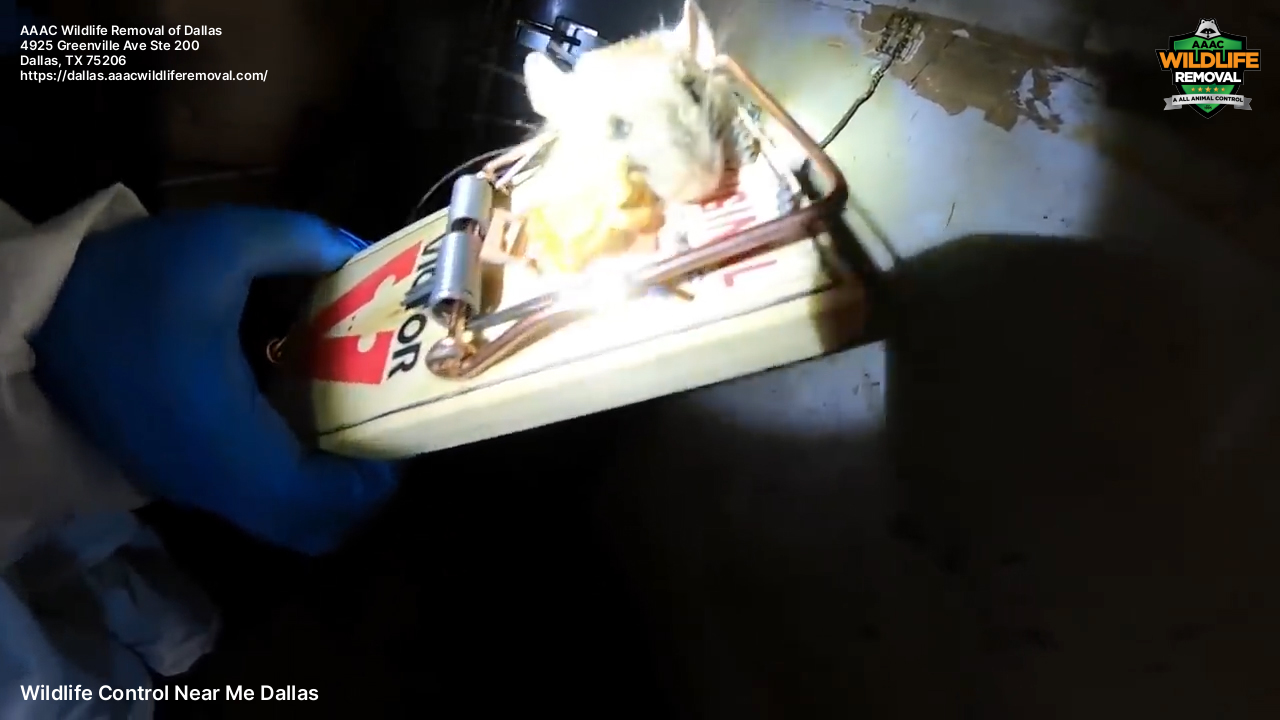
Good trappers read a property like a crime scene. Tracks in dust. Grease marks on a fascia. Corn husks in a corner. The trap is not the first step, it is a test. Set correctly, it proves what the inspection suggests.
When you learn to see the sign, species call their names:
- Squirrel chew marks on fascia are tight half-moons with frayed wood fibers. Raccoon pry marks are wider, with bent metal and pulled nails. Skunk trails are lower to the ground, with light dragging on grass and a musky ribbon of scent close to soil. Opossums announce themselves with a slow, plodding gait and messy scat. Rat runways polish insulation into shiny lanes. The attic smells sickly sweet, almost warm.
A well-placed trail camera removes guesswork. This matters because trap placement changes with species, season, and behavior. A squirrel trap on a roof edge with an offset pan placement and no food bait often outperforms a baited ground set. A raccoon, especially a lactating female, ignores food if she is in den mode and may focus on scent lures near known routes. Skunks veer toward fish-based paste baits, but in hot weather that bait sours fast and attracts flies, not skunks. There is no universal recipe, just fundamentals adjusted to the situation.
When relocation helps and when it harms
Let’s address the word that sells a lot of jobs: relocation. People like the idea of a forest sanctuary and a grateful animal trotting into the trees. The real field results are mixed.
Adult mammals are territorial. Drop a captured raccoon miles away and you introduce a stranger into someone else’s turf, often already saturated. That raccoon burns calories searching, encounters conflict, and usually loses. Studies place survival rates for relocated adult raccoons well below those of resident animals, with mortality highest in the first month. The same holds for skunks and foxes.
There are better options in many cases:
- One-way doors with sealing. For raccoon or squirrel removal, I prefer to turn a single entry hole into a one-way exit, verify there are no dependent young, then harden the structure so they cannot return. No trapped animal, no transport stress, and a fast resolution. On-site release after exclusion. When law permits and the animal is healthy, exclusion devices let the animal leave and fail to reenter. This respects their survival advantage in their home range. Timed eviction for maternal colonies. Bats are the clearest case. You do not relocate bats. You seal every gap except an exclusion valve, keep it in place until pups can fly, then remove and seal permanently. That is humane bat removal, and it works for the whole colony.
There are times when relocation is reasonable, mostly for non-territorial species or when a structure has no viable exclusion path. Even then, I choose release sites carefully. Water sources, cover, and relative isolation matter. You also keep release distances modest when legal and ethical to do so. Animals released within their larger home range have a better chance of reestablishing normal patterns.
The heart of the matter: babies in the walls
Most ugly outcomes start with one variable, babies. Spring through mid-summer, a raccoon in an attic almost always means a den. Squirrels have two peak breeding periods. Bats form maternity colonies. If you trap mom and move her, you create an emergency in your client’s walls.
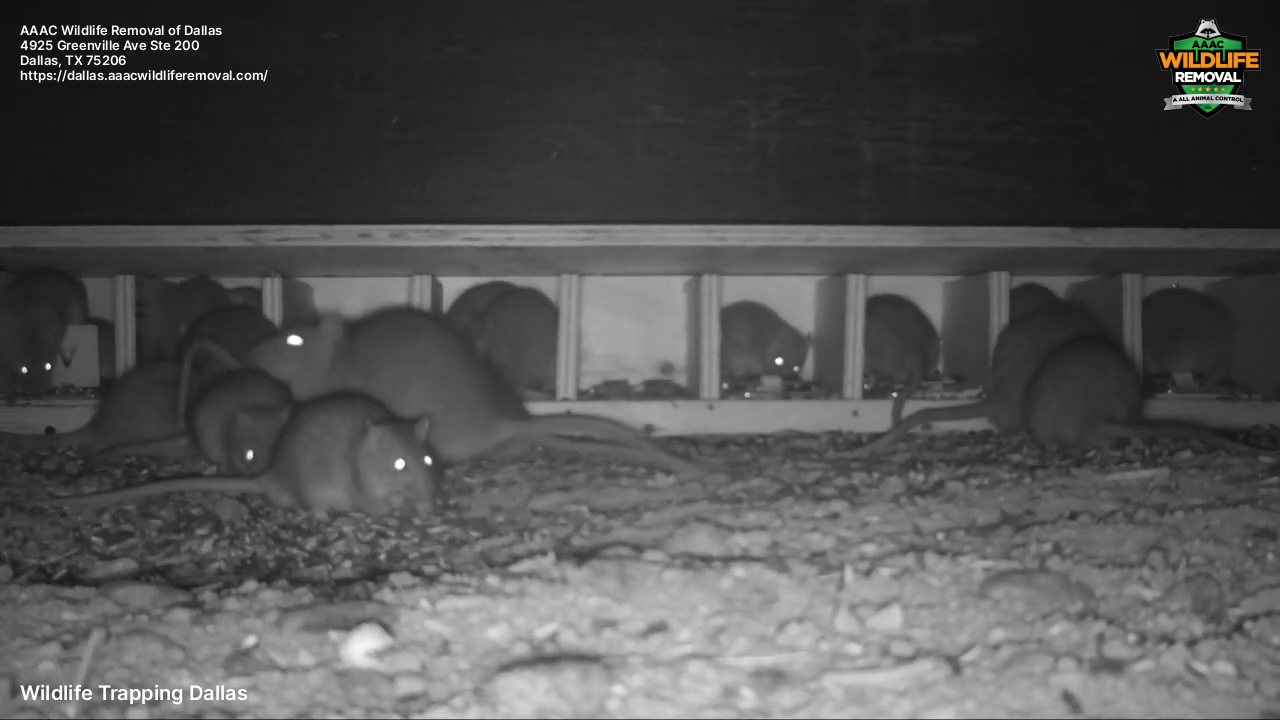
I insist on a baby check before removing any suspected female. That might mean a thermal camera scan from the attic hatch, a gentle hand probe into insulation where sound concentrates, or an endoscope through a drywall seam. I have pulled kits the size of fists from soffit voids and set them in a lined release box with warming packs, then reunited them with mom after releasing her on-site at dusk. You watch through binoculars. She carries each kit out by the scruff to a secondary den. It is quiet work, patient, and not something you can rush.
If your wildlife removal service shies away from that level of effort, ask why. Humane service requires it.
What “exclusion” really looks like
Homeowners hear “wildlife exclusion service” and imagine a few patches on a roofline. Done right, exclusion is more like stormproofing for animals. You are building https://sites.google.com/view/aaacwildliferemovalofdallas/wildlife-removal-near-me-dallas a perimeter that says “not worth the effort” to a determined raccoon or squirrel.
I measure success in steel and geometry. Hardware cloth with a true 16-gauge wire resists chewing far better than the pretty 23-gauge mesh sold in home centers. Galvanized flashing must tuck under shingles and lift over fascia, not just glue to paint. Chimney caps need 24-gauge tops and 18-gauge screens. Soffit vents should be upgraded from plastic to metal in vulnerable areas. Ridge vents get internal squirrel guards. Every utility penetration gets gaskets and collars set in sealant that remains flexible, not the brittle stuff that cracks by winter two.
The most underrated part is grading and ground contact. Skunks and rats love the two inches of gap at the bottom of a fence that no one notices until it is a highway. I trench a foot down and install an L-shaped apron of mesh, backfilled tight. For decks and sheds, skirt enclosures must be tall enough to discourage digging and set below grade. The animal sees a wall that continues into the earth and simply chooses an easier yard.
Bait science and trap craft
A trap is only as good as its bedding and trigger. You set it where the animal already wants to be, then remove reasons for them to mistrust it.
For raccoon removal, I use dog-proof traps only on rural jobs and never where pets roam. In urban yards I lean on large live cages with pan tension just heavy enough to avoid birds and squirrels. Fish, sweet pastry, or a blend of marshmallows and sardines gets attention, but location beats bait every time. Set the trap parallel to the fence line that funnels movement. Block the sides with scrap lumber to guide entry. Hide the floor with leaves or cardboard dusted with soil to match the ground. A raccoon will step onto a surface that feels familiar. He will balk at cold wire.
Squirrel removal is a different equation. Peanut butter smells great to squirrels and every rodent within a mile. Once you start attracting non-targets, you are in a loop. I prefer no-bait traps on roof runs, placed in travel lanes and pre-baited with nothing but familiarity. A day or two of the trap zip-tied open teaches the squirrel that the tunnel is harmless. Then I set it. On soffit entries, a multi-catch one-way with a rear cage allows me to catch the entire family as they leave.
Skunks complicate everything with spray risk. Short, covered traps reduce visibility and stress. Approach low, no sudden light, and cover the trap immediately with a cloth that allows airflow. I carry a collapsible spray shield that slides between the trap and my shins. Small details matter. If a trap door clanks at dawn, your neighbors know.
Bats, again, are not a bait-and-trap scenario. Their exclusion depends on sealing, timing, and valves that let them leave at dusk and fail to return before dawn. If anyone offers bat relocation in the sense of cages and transport, that is a red flag. Ask instead about their survey methods, their sealants, and their adherence to state timing rules.
Health and safety, unglamorous and essential
Any wildlife job is a public health job. Rabies, distemper, leptospirosis, histoplasma, roundworms, parasites, they ride with animals and their waste. A professional will treat the space as a controlled environment.
Respiratory protection becomes mandatory in attics contaminated by raccoons or bats. Raccoon roundworm eggs resist many disinfectants and stay viable in soil for years. We use heat and humidity control, targeted removal of heavily soiled insulation, and enzyme-based cleaners to break down urine odor. Bat guano in piles can aerosolize fungal spores. Gentle removal that avoids plumes, followed by sealed bagging and HEPA vacuuming, keeps everyone safe.
I am cautious with rodenticides in any setting that includes wildlife conflict, pets, or children. Secondary poisoning of predators or a dead rat in a wall cavity is no victory. Snap traps in protected stations and architectural adjustments that deny food and shelter deliver better outcomes. If your goal is pest abatement across the property, integrate sanitation: tight lids, no bird feeders over patios, compost bins with real lids, and careful storage in garages.
Seasonality and timing make or break a job
The calendar matters. Squirrels in January behave differently than squirrels in August. Springtime raccoons are building dens and prioritize safety over food. Midwinter raccoons focus on calories and warmer locations, often congregating in chimneys. Bats gather by late spring, and maternity restrictions often run from early May through mid-August, depending on region. If a wildlife control Dallas technician suggests immediate bat exclusion in early June, press pause and ask for the regional guidance.
Rain changes patterns. Traps on saturated ground flood and stress animals. Hot weather spoils baits quickly and draws blowflies. Nighttime lows below freezing push opossums into sheltered routines and decrease trap interest. Professionals plan around weather, not through it.
Cost, transparency, and what a good contract includes
Prices vary by city and species, but solid companies tend to estimate in ranges that reflect labor and materials, not wishful thinking. Here is what I expect to see in a professional proposal:
- A written inspection report with photos marking entry points, droppings, damage, and conducive conditions. A clear plan: removal method, number of visits, trap check frequency, and the exact exclusion materials. A section on young-of-the-year protocols for applicable species. Waste remediation scope if needed, especially for bat guano or raccoon latrines. Warranty terms that state what is covered and for how long, as well as what voids the warranty.
Avoid vague promises. If someone quotes you a low number for “raccoon removal” with no mention of sealing or follow-up, you are buying a recurring problem.
The urban edge: Dallas and other fast-growing metros
Cities like Dallas sit on ecological fault lines. Growth carves habitat into ribbons, leaving creeks, greenways, utility corridors, and older neighborhoods stitched together in corridors animals use eagerly. Wildlife control Dallas teams work in a matrix of stucco new builds, aging bungalows, expansive decks, and alley networks that function like animal highways.
In these settings, the best wildlife removal service spends as much time on prevention as extraction. Think ridge vents, chimney caps, sealed weep holes along brick, and trim repairs that eliminate finger-holds. In oak-heavy neighborhoods, squirrels leap from trees to roofs in a single bound. Cutting back branches to six to eight feet from roofs makes a dent, combined with gutter guards that actually resist chewing. Trash pickup day is raccoon buffet night; secure lids or strap kits reduce scavenging that fuels den establishment.
I have watched coyotes trot down rail trails at dawn and red foxes slip behind HVAC units. They are not the enemy, they are participants in a landscape we share. Policy and individual behavior both matter. You cannot trap your way out of a neighborhood that feeds and shelters wildlife unintentionally. You can, however, tune the property to reduce conflict sharply.
Case notes from the field
A few snapshots show how these principles play out.
A spring raccoon den in a Tudor attic. The homeowner heard chittering at night. Thermal scan showed a warm cluster near a gable. We found an entry created by popped soffit boards where a prior painter left a gap. I installed a one-way door at the entry, then retrieved four kits from the insulation and set them in a reunion box mounted directly outside, protected from sun. We released the female on-site at dusk after confirming her lactation status, removed the one-way the next evening after she relocated the litter, then sealed with 16-gauge mesh and trim. We replaced a three-by-six-foot section of fouled insulation and treated the latrine area with enzymatic cleaner. Zero return visits in two years.
Squirrels in a multifamily roof line. Maintenance had closed one hole, trapping squirrels inside. They chewed into three apartments. We stopped the panic patching, opened a controlled exit with a multi-catch setup that allowed them to leave into a cage, then sealed systematically from one end of the building to the other. Pre-baited traps on roof runs caught three adults within 48 hours. The property manager wanted to skip trimming trees. I insisted. After eight feet of clearance, complaints dropped by more than half the following season.
Bat removal in a church. The congregation had lived with bats for years, guano on the balcony a weekly cleaning chore. A quick job would have been a disaster mid-June. We scheduled for late August, mapped every gap larger than a pencil, and created primary and secondary exclusion valves. Over two nights the colony cleared. We sealed and installed copper mesh in masonry gaps, then vacuumed guano with HEPA filtration and applied a prudent sanitizing treatment. The church added lights that discourage congregation near entry points without harming the colony’s wider presence on the property. They now call it a success story rather than a plague.
What homeowners can do before anyone arrives
While a licensed pest wildlife trapper handles the technical work, you can make your property less attractive without risking a bite or a legal misstep. Keep it simple and consistent. Store pet food indoors, clean up fallen fruit quickly, secure trash, and keep woodpiles elevated and away from structures. Fix dripping hose bibs that create water sources. Screen dryer and bath vents with proper covers, not fabric that clogs. Walk your house at dusk and dawn a few times a year; you will hear and smell things at those hours that hide at noon.
If you are already in the middle of a problem, resist blocking holes until you are certain no animals remain inside. Sound recordings from a phone pressed to the wall can reveal pups. If you see a bat in a room, close the door and call a pro. Do not swat blindly. If a raccoon or skunk looks disoriented in daylight, keep distance and call local animal control or your wildlife pest control service immediately.
Inside the craft: judgment, not just gear
Anyone can buy traps and mesh. The difference between a fix and a relapse lives in the split-second choices made on a roof at sunset. Do you set the one-way door tonight or wait until the rain passes? Is that chitter a squirrel juvenile or a starling nest? Does the roof edge hold screws or will you split the fascia if you drive a fastener into dry rot? The work rewards humility. Animals teach you. So do old houses.
The best trappers I know are patient, data-driven, and unafraid to say no to shortcuts. They document. They explain. They show you where your home whispers to wildlife and how to quiet it. When you hear terms like nuisance wildlife management or pest abatement, translate them into simple goals: fewer opportunities, fewer attractants, and a path out for the animals already inside.
Final thoughts: humane is practical
Humaneness is not a luxury that costs more and solves less. The opposite is true. Methods that keep animals calm, protect young, and lean on exclusion and prevention save money over time and reduce repeat calls. Relocation can be part of the answer for certain scenarios, but it is never the entire answer. The core of successful pest wildlife removal is respect for biology, respect for the law, and respect for the structure.
If you are choosing a wildlife removal service, ask about their exclusion materials, their trap check schedule, their plan for juveniles, and their comfort with bat maternity timing. Ask for references and photos of completed work. The companies who do it right will be proud to show you.
Houses and animals will continue to meet at the edge. With sound tactics and steady ethics, that edge does not have to feel like a battleground. It can feel like a boundary that works for both sides, strong, quiet, and humane.