Wild animals don’t read property lines. They follow food, shelter, and warmth, which means a soffit gap or a chimney without a cap can look like an open invitation. When wildlife moves into a home or business, the knee-jerk reaction is often to set a trap and be done with it. That approach tends to backfire. The most reliable results come from technicians trained in wildlife control who combine practical construction knowledge with animal behavior. Humane work is not just an ethical stance, it is a smarter way to protect structures and reduce repeat problems.
This guide walks through what a professional service actually does during nuisance wildlife management, what humane practices look like in the field, and how a good plan prevents reentry. Along the way, you will see how raccoon removal differs from bat removal, why timing matters more than you might think, and how proper wildlife exclusion can save you from paying for the same job twice.
What humane removal really means
Humane wildlife removal keeps the focus on behavior and biology. The goal is to resolve the conflict without unnecessary stress or harm to animals or people. That standard changes with the species and the season.
A humane plan avoids separating mothers from dependent young. In practice, this means technicians check for nursing females during breeding seasons. For raccoons in many regions, that runs from late winter through early summer; for squirrels, two breeding peaks are common, one in late winter and one in late summer. Bats form maternity colonies from spring through late summer and are legally protected in many states; most wildlife pest control companies will not exclude bats during the maternity period because flightless pups cannot survive if sealed in.
Humane does not mean hands-off. It means using the least stressful, most effective technique for the situation. That could be one-way doors installed at the main entry points, species-specific traps when relocation is necessary and legal, or calming tactics like reducing noise during inspections of attics where mothers might be denning. It also means avoiding poisons for vertebrate pests in houses, which cause animals to die in inaccessible places and create odor and sanitation problems.
The first phone call and what professionals listen for
Seasoned wildlife removal operators ask specific questions before they ever climb a ladder. Patterns in noise and timing tell a lot. Scratching mostly at dawn and dusk points to squirrels. Heavy thumping at night suggests raccoons. Squeaks and a faint chittering in summer might be a bat maternity colony. A musky smell paired with nighttime activity often means skunks under a deck.
Details about construction matter. A home with cedar shake roofing and mature oaks within ten feet of the eaves will present different squirrel risks than a brick ranch with clean lines and metal fascia. If a caller reports recent renovations, such as new HVAC lines or a bathroom fan vent, a tech mentally flags those penetrations as potential entry points. Good operators use this information to plan an efficient inspection rather than bouncing from clue to clue when they arrive.
On-site inspection: how pros find the real problem
I’ve seen more time wasted by missed entry points than any other issue. Animals rarely use the most obvious hole on a structure. They prefer corners, roof intersections, and areas shielded from weather and predators. A thorough inspection covers the attic, crawlspace, roofline, and any attached structures like porches or garages.
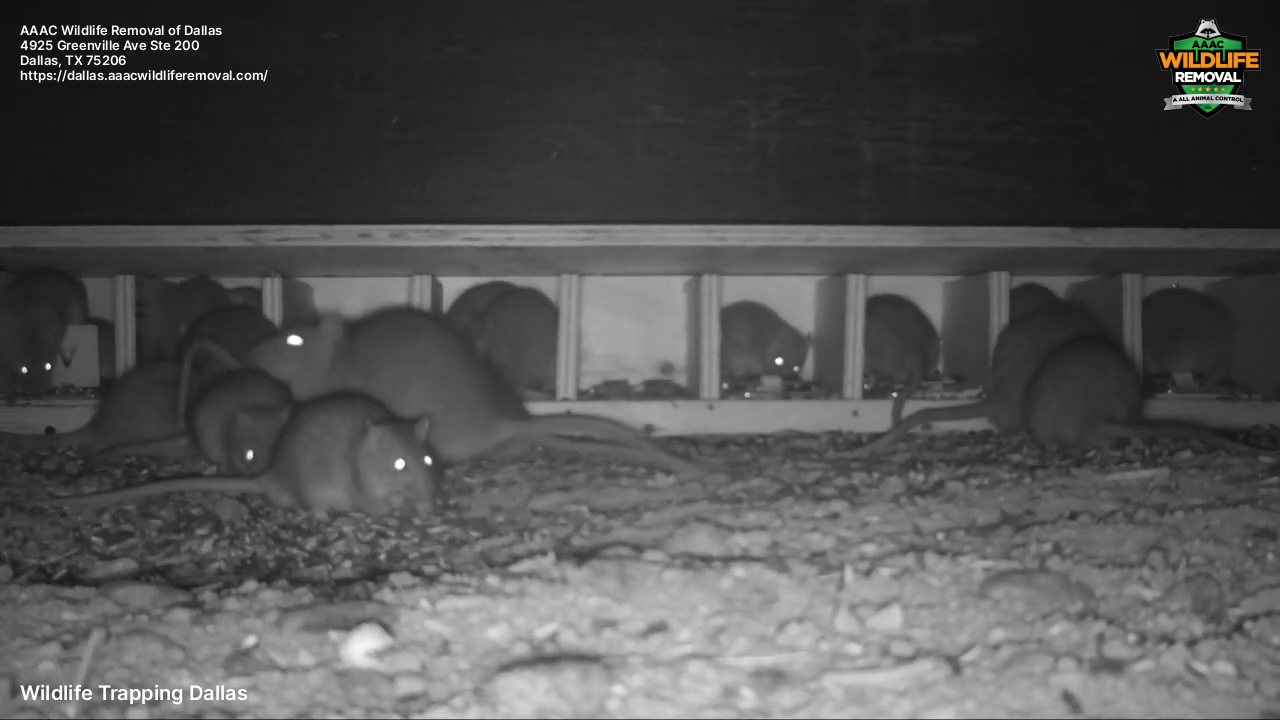
Inside the attic, professionals look for nested insulation, compressed runway paths, latrine sites, and chew marks on wiring or framing. Rat or mouse droppings are pellet-sized and numerous. Squirrel droppings look similar but usually appear near gnawed wood. Raccoons leave larger latrines, and you may find torn ducts or displaced insulation piles. Bats leave guano that looks like crumbly dark rice under roosting sites, often below ridge vents or gable ends.
Outside, a tech checks drip edges for pry points, soffit returns where the roof meets the rakes, gaps around utility penetrations, and flashing failures at dormers or chimneys. On brick homes, a common entry sits at the top course where fascia meets masonry, especially when the fascia has age cracks or the roof decking overhangs slightly. On vinyl, warped panels and loose J-channel around corners often hide entry holes.
A good inspection ends with a clear diagnosis, not guesswork. If the sign is ambiguous, ethical wildlife control companies will set up monitoring methods first, such as motion cameras or UV tracking powder, to confirm the species and entry pattern before recommending removal.
Building a plan that fits the species and the building
Wildlife removal is not a single technique, it is a staged process. The plan weighs species behavior, breeding status, building design, legal restrictions, and the homeowner’s tolerance for noise and timeline.
For squirrels, technicians often install one-way doors at the main hole after sealing all secondary gaps. The door allows animals to leave but not reenter. For raccoon removal, especially with a mother and kits, many pros use a den box or retrieve kits by hand after verifying the mother will relocate them. Bats require a full sealing job first, then installation of bat valves on primary exits, with removal of those valves after a week or two once all bats have exited.
Trapping is still part of wildlife pest control in some cases. It is more common with skunks under steps, groundhogs under sheds, or raccoons that have torn a large roof opening and are actively guarding it. Even then, technicians have to comply with state laws about relocation or euthanasia. In some jurisdictions, relocation beyond a certain distance is prohibited, and releasing an animal on another property without permission is illegal. A straightforward operator will explain what the law allows in your area.
Quiet fixes that prevent repeat visits
Most homeowners focus on the animal. Professionals focus on the structure. Animals come and go, but a roofline with gaps will invite new occupants every season. Wildlife exclusion is the art of restoring the building envelope in a way that survives weather, UV exposure, and animal pressure.
Typical exclusion materials include galvanized hardware cloth, painted metal flashing, ridge guard systems that keep bats out of the ridge vent without suffocating the attic, and fine-mesh screens for weep holes and gable vents. Expanding foam is a poor primary barrier. Animals chew through it. Foam has its place only after a rigid barrier is installed, to stop airflow and insulate.
One of the most common oversights is leaving factory gable vents unprotected. The louvers look solid, but birds and squirrels get past them easily. Stainless steel micro-mesh installed behind the louvers solves the problem without changing the exterior appearance. Another frequent miss is the garage door seal. A half-inch gap is an open door for mice and snakes.
Raccoon removal: strong hands meet stronger habits
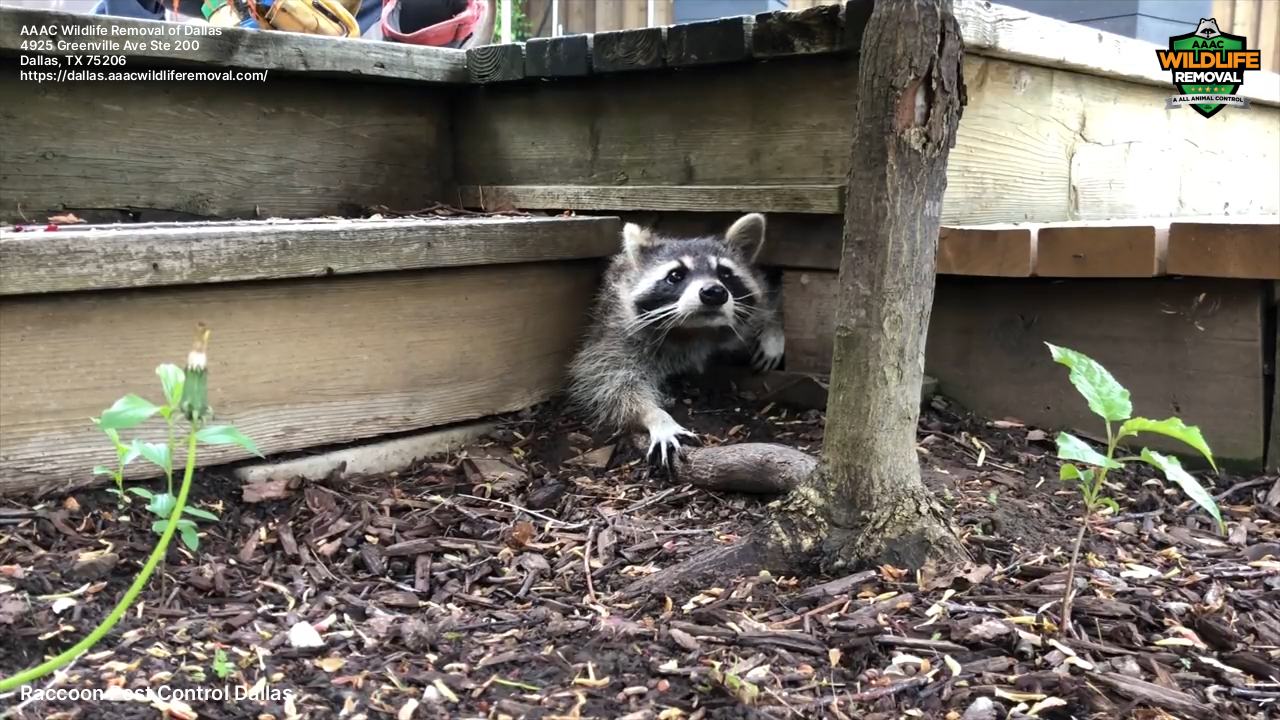
Raccoons are intelligent, powerful, and persistent. They use their hands like tools and can pry a soffit open if it has even a quarter inch of play. They often choose attics as den sites during the spring birthing season. The most humane approach with a mother and kits is to encourage her to relocate the young, not trap her away from them.
The technique is simple in outline, but requires care. Once the litter is located, a technician gathers the kits into a warmed, ventilated den box and places it near the main entry point or on the roof close to the hole. A one-way door is installed over that entry. At dusk, the mother exits to forage, then discovers the kits in the den box and moves them to an alternate den. This can take one to three nights. During that period, the house stays quiet near the den area to avoid spooking her. Only once the kits are gone does the tech remove the door and perform permanent repairs.
I have seen homeowners attempt to drive raccoons out with lights and loud music. You may succeed temporarily, but the mother will often return or move to a different part of the structure. Worse, if she panics and flees, the kits are left behind. That creates a rescue job with higher risk and cost. A patient, predictable process beats brute force every time.
Squirrel removal: speed, sealing, and the calendar
Squirrels treat attics like high rise condos. They are visual navigators, revisiting the same routes along rooflines and branch paths. You can hear them most during dawn and late afternoon. A light thumping or rolling noise often points to squirrels stashing nuts in soffits.
The core of squirrel removal is exclusion with one-way exits. Timing matters because juvenile squirrels need two to three months before they can navigate a one-way door safely. If juveniles are found, a technician may temporarily cage the main hole, retrieve the young, and use a staging box so the mother relocates them, similar to raccoon methods but on a smaller scale.
Sealing must be meticulous. Squirrels can chew through wood and lead, and will test previously used entry sites for weeks. Pros often install metal reinforcement along chewed edges, then paint to match. On homes with heavy tree cover, trimming branches 8 to 10 feet away from the roof reduces runway access, although a determined squirrel can still jump farther when motivated. That tree work, combined with a sealed roofline, breaks the habit loop that keeps them coming back.
Bat removal: legal lines and gentle timing
Bats do not chew or tear their way in. They tap into existing gaps as small as a half inch. They are also protected in many regions because of their ecological value and disease concerns. Humane bat removal focuses on bat exclusion, not trapping.
Here is the typical process. A full exterior seal is performed on every gap larger than a pencil’s width, except for the primary bat exits identified by guano staining and airflow patterns. One-way bat valves are then installed at those exits. Over several warm nights, bats leave to feed and cannot reenter. After a hold period that ensures stragglers have exited, the valves are removed and those final holes sealed.
Maternity season is the critical exception. From late spring through mid to late summer, young bats cannot fly. Sealing during this period strands pups inside, which is both inhumane and illegal in many areas. Ethical companies schedule bat work around this window and set expectations clearly. A crew might perform preliminary sealing early, then return after the flight window opens for the valve phase.
What a complete job looks like from start to finish
Most wildlife control projects follow a rhythm. It starts with diagnosis, then temporary control, then long-term exclusion and remediation. The exact steps vary, but the benchmark is that each phase solves a specific problem rather than rushing to the end.
- Assessment and documentation: The technician inspects, identifies species, entry points, and damage, then lays out the plan with photos, a diagram of the structure, and a timeline. Clear communication here prevents surprises. Eviction or capture phase: Species-appropriate methods are deployed. That could be one-way doors, den relocation boxes, or targeted wildlife trapping where legal and ethical. Exclusion and repairs: Once animals are gone, permanent sealing, reinforcement, and hardware installation occur. Roof and siding materials are matched where possible to maintain appearance. Sanitizing and restoration: Technicians remove contaminated insulation or droppings, treat for odors and pathogens when appropriate, and restore insulation levels for energy performance. Follow-up and warranty: A reputable company schedules a check or remote confirmation and stands behind the work with a written warranty that spells out what is covered and for how long.
Health and safety: real risks, simple controls
Concerns about disease often run ahead of the facts. Wildlife can carry pathogens like raccoon roundworm, leptospirosis, histoplasmosis spores in bat guano, and ectoparasites like fleas and mites. The risk to homeowners stays low if contaminated material is removed correctly and attic access remains limited during active infestations.
https://sites.google.com/view/aaacwildliferemovalofdallas/wildlife-removal-services-dallasTechnicians protect themselves with gloves, respirators when disturbing droppings or insulation, and vaccines like pre-exposure rabies if their work has bite risk. They also use disinfectants appropriate to the material being cleaned. Over-spraying bleach into an attic is not a smart solution. The better path is targeted removal and ventilation, then sealing to prevent reentry.
One practical tip: if you hear animal activity in the attic, avoid opening the access hatch until a professional has assessed the situation. Sudden light and noise can flush panicked animals into living spaces. I have pulled raccoons out of linen closets more than once because a homeowner took a curious peek.
What humane wildlife removal costs and why it varies
People ask for a price over the phone. Any company that quotes a firm number without seeing the structure is guessing. Costs range widely based on access, roof pitch, number of entry points, species, and the extent of exclusion needed.
For perspective, a straightforward squirrel exclusion with one or two entry points on a single-story ranch might run in the low four figures, including sealing and a short warranty. A raccoon job with kit relocation and structural repair on a steep two-story roof can double that, especially if fascia or decking must be rebuilt. Bat exclusions trend higher because they require whole-structure sealing and staged visits, but the per-night cost, spread over years of peace, compares favorably to repeated partial fixes.
Cheaper options often skimp on exclusion. You might get a trap set and a hole patched with foam, which works until the next animal arrives. The better investment is a comprehensive approach that treats the structure as a system and gives you a warranty in writing.
Permits, laws, and ethical lines
Wildlife regulations vary by state and even municipality. Some species require special permits for handling. Relocation limits can be strict, and seasons for bat work are codified. A professional wildlife removal company should know the local rules cold and show proof of licensing and insurance on request.
If a company proposes methods that sound like shortcuts, such as using poison for raccoons or sealing bats during maternity season, take that as a warning sign. The legal liability can land on the property owner along with the contractor. The right operator will explain the legal framework and work within it, even if that means scheduling the job a few weeks later to align with a legal exclusion window.
Choosing the right provider
The wildlife control industry includes experienced specialists and generalists who dabble. The difference shows in the inspection notes, the materials they use, and the results a year later. Look for signal over noise. A glossy truck wrap does not guarantee quality.
Ask about training, species-specific experience, and whether they do both removal and exclusion in-house. If a company handles raccoon removal regularly, they should speak comfortably about den box use and juvenile timing. For bat removal, they should reference maternity windows and show photos of past valve installations. Written estimates should list materials by type and gauge, not just “seal holes.”
You can also learn a lot from how a technician moves around your property during the inspection. Do they use a roof harness on steep pitches? Do they photograph each suspected entry and show you the patterns? Do they compress insulation carefully to inspect, then fluff it back, or do they trample channels through it? Professional habits in the small things often mirror the quality of the main work.
When trapping makes sense and when it does not
Wildlife trapping has a place, but it is not a universal cure. For interior denning species with a predictable exit pattern, one-way doors are kinder and faster. Trapping is more appropriate for animals that do not rely on the structure as a den, such as skunks under a deck that are tearing up lawns, or for animals that have caused a large structural breach and will continue to force entry unless removed.
Two realities shape trapping decisions. First, non-target captures happen if traps are not deployed carefully. Baited cages can lure neighborhood cats or protected species. Second, relocation stress is high, and many relocated animals do not survive. That is why many states regulate or discourage relocation and encourage exclusion-based solutions that maintain territory boundaries without harm.
A professional will explain these trade-offs clearly. If trapping is used, it should be part of a larger plan that ends with exclusion, otherwise you are just cycling new animals through the same opening.
What you can do before and after the job
There are simple, low-cost steps that reduce wildlife pressure on any building. Secure outdoor trash with tight lids and use bungee straps if raccoons have learned to pry. Keep pet food indoors. Clean fruit fall under trees during harvest seasons. Where possible, keep firewood stacked away from the house to reduce hiding spots for rodents and snakes. Inspect soffit and fascia visually twice a year, especially after storms, and touch up caulk around utility lines if you see gaps. These habits don’t replace professional work, but they can delay or prevent issues.
After a removal, follow the company’s guidance on attic access, ventilation, and any odor control treatments. If they provide a warranty, note the conditions. Most warranties require you to maintain roof integrity. If a windstorm blows off a section of ridge vent, call the company promptly so they can assess and preserve the coverage. The relationship should feel collaborative, not transactional.
A brief comparison of approaches, costs, and timelines
- Squirrel removal: typically 2 to 7 days with one-way doors, plus sealing and a short observation period. Costs are moderate, and tree trimming can help. High chew pressure means reinforced repairs are worth it. Raccoon removal: often 3 to 10 days if kits are present, due to relocation timing. Structural repairs may be needed. Costs vary widely with access and damage. Bat removal: runs 1 to 3 weeks, not including maternity hold periods. Whole-structure sealing is essential. Higher initial cost, strong long-term result when done correctly. Skunk or groundhog under structures: 3 to 10 days with trapping or one-way doors and skirting installation around decks or sheds. Odor control may be part of the plan. Rodent exclusion: can be fast to implement but requires detailed sealing and ongoing sanitation. Trapping helps reduce interior populations, but exterior exclusion and habitat changes do the heavy lifting.
The long view: prevention outperforms reaction
The best wildlife control projects feel almost anticlimactic. No drama, no midnight chases, no lingering smells. That happens when the team invests most of its effort in inspection and exclusion. Repairs fit the building’s architecture. Materials match the environment. The work respects animal life cycles and local laws. The result is a house that does not invite wildlife back and a homeowner who sleeps better at night.
Humane wildlife removal is more than a slogan. It is a set of principles tested on roofs in August heat and in attics in January cold. It values precision over force and uses wildlife behavior to our advantage. If you know what to expect from professionals, you can ask sharper questions, avoid quick fixes that cost more later, and protect both your property and the animals that share your neighborhood.
When you meet a provider who talks fluently about species timing, carries the right materials for exclusion, and shows pride in tidy, durable repairs, you have likely found the right partner. That partnership, anchored by humane methods and solid construction, is the surest way to close the door on wildlife problems and keep it closed.
